





UX patterns for the new AI-native product wave






How we approach AI product design
New design patterns for a category that's genuinely new.
Why AI product UX is genuinely new
Most UX patterns we use today were stabilised by 2010. Designing for AI products means leaving most of that behind.
Traditional product UX assumes deterministic systems: same input, same output. AI products are non-deterministic — the same prompt can return different answers, the same model can fail unpredictably, the same task can complete in 800ms or 12 seconds. That changes everything about what good UX looks like: latency surfaces, uncertainty signalling, fallback paths, retry affordances, version-pinning options, and feedback loops the model itself can learn from.
We’ve been designing in this space since 2023 — long enough to have opinions, recent enough to know what hasn’t settled yet.
Why chat isn’t the only AI interface
A blank text box is the lowest-effort AI UI. It's also usually the worst one.
The default response to “add AI to our product” is “drop a chat widget on it.” Sometimes that’s right. Often it’s not. The best AI UIs we’ve designed look nothing like ChatGPT — they’re prompt-builder UIs with structured inputs, agentic control planes with task lists you can interrupt, generation surfaces that scaffold the user’s thinking instead of waiting for a perfect prompt. Pick the interface to match the workflow, not to match what your engineering team has seen demoed.
Designing for trust, latency, and uncertainty
Three problems traditional UX rarely had to solve. AI products live with all three constantly.
Trust: users need to know when to trust the AI and when not to. We design source citations, confidence indicators, and verification surfaces directly into the UI — so trust calibration is the user’s job, not a guess. Latency: streaming responses, progressive disclosure, and “interruptible” generation make 8-second waits feel like 2-second waits. Uncertainty: models are wrong sometimes. Good UI makes wrongness visible, recoverable, and reportable — not hidden behind false confidence.
AI product design pricing
Quoted off the brief — AI work has more research overhead per screen than traditional UX.
AI-feature design (single capability inside an existing product): $12K-$30K, 3-6 weeks. Full AI product UX (greenfield, multi-feature): $35K-$100K, 8-16 weeks. Ongoing AI-product retainers from $8K/month — these projects change fast and benefit hugely from continuous design partnership.
Fresh writing on AI product design
Fresh writing from our design + product team.
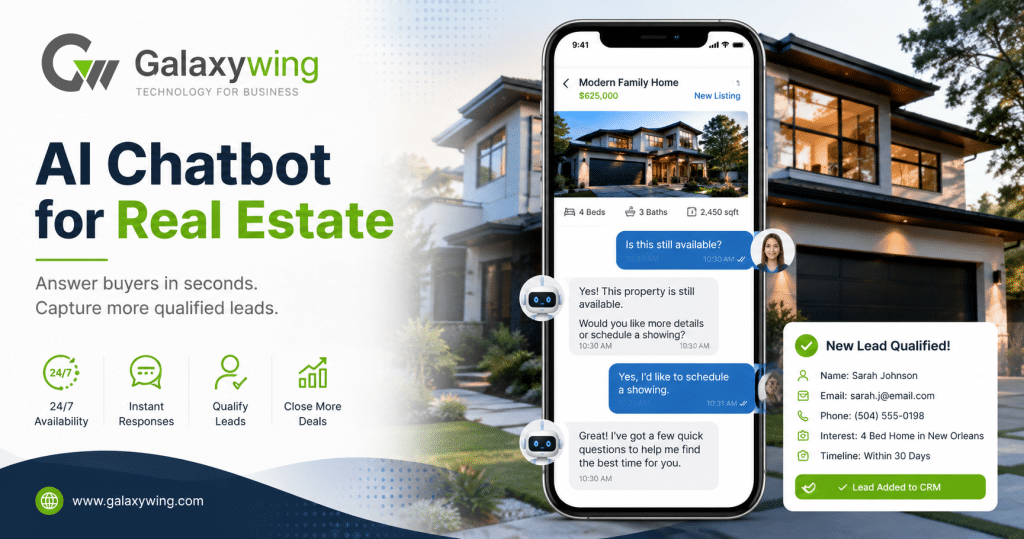
AI Chatbot for Real Estate: Qualify Leads 24/7 (2026 Guide)
Quick Answer An AI chatbot for real estate is a messaging assistant that engages website and social visitors instantly, qualifies them (budget, timeline, financing, area), answers property questions…
Read more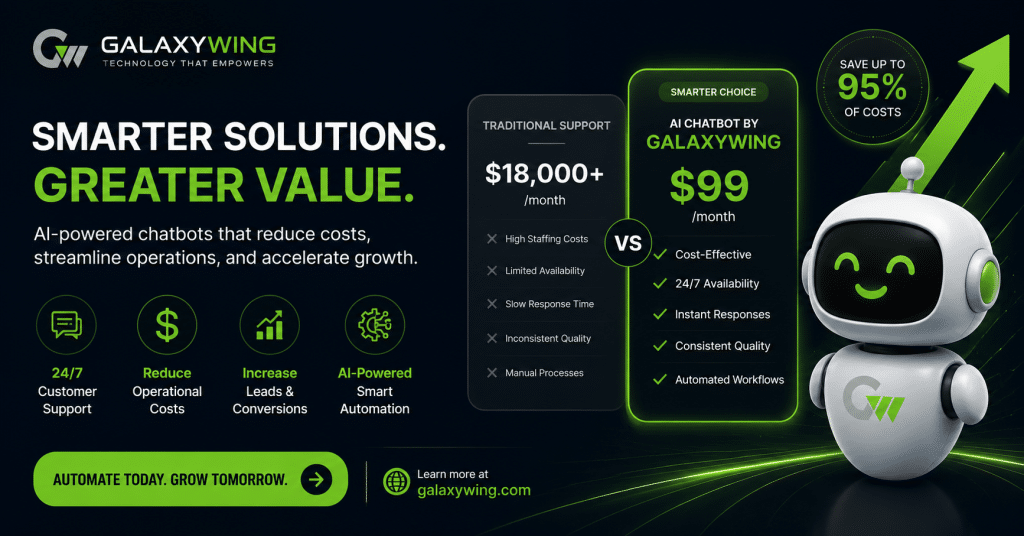
How Much Does an AI Chatbot Cost? (Real 2026 Pricing Breakdown)
Quick Answer (for the people who Cmd+F) An AI chatbot costs between $0/month and $80,000+ depending on what "AI chatbot" actually means. The honest 2026 ranges: Type Setup…
Read more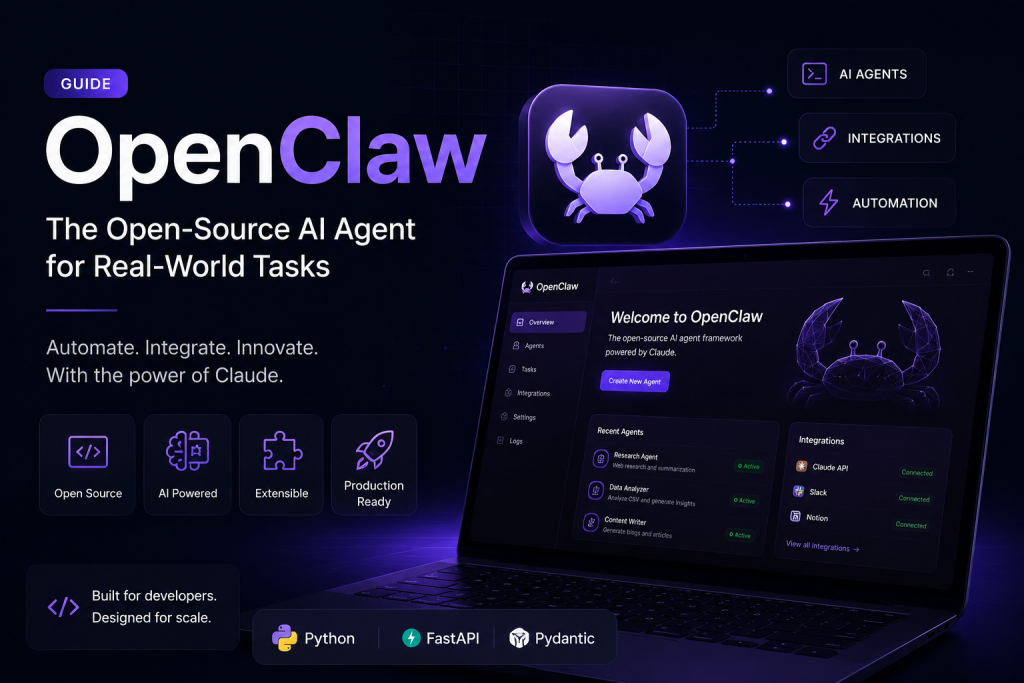
OpenClaw Explained: The Open-Source Engine Keeping Captain Claw Alive
If you grew up in the late 1990s with a beige PC under the desk, there's a fair chance you remember Captain Claw — a 2D side-scrolling platformer…
Read more

Design the AI product your users deserve
Free 30-minute call. We've seen what's failed in AI UX and what's working — we'll share both.
Start an AI design project
Hear it from our happy clients
Tell us what AI feature you’re designing
Two-minute form. We reply within 4 working hours.