





App design for products shipping to the App Store








How we approach mobile app design
What platform-native mobile design actually means in 2026.
Why platform-native design still matters
Apps that ignore Human Interface or Material conventions feel cheap. Apps that respect them feel like they belong.
Most cross-platform apps we audit make the same mistake: one Figma design pushed identically to both stores. The result is an iOS app that looks like Android badly translated, and an Android app that looks like an iPhone app refusing to acknowledge it. Both feel wrong to their users in ways that are hard to articulate but easy to feel.
We design each platform on its own terms — iOS Human Interface conventions for tab bars, sheets, navigation; Material 3 conventions for Android FABs, bottom sheets, surfaces. Cross-platform doesn’t mean identical; it means the same product expressed correctly twice.
Motion as a first-class design layer
On mobile, motion isn't decoration. It's how users understand what just happened.
Every navigation transition, sheet present, and pull-to-refresh on a well-designed mobile app communicates state. Built badly, motion creates confusion and seasickness. Built well, it makes interfaces feel responsive and physical in ways static screens never can. We design motion alongside layout — duration, easing curves, hierarchy — and specify it explicitly for the engineering team so it actually ships.
Designing for real devices, not Figma
A design that looks beautiful in Figma at 100% zoom is not a design.
Every design we ship gets reviewed on real devices: an old iPhone SE with a small screen, a recent iPhone with notch and Dynamic Island, a budget Android with low pixel density. Dark mode tested deliberately, not as an afterthought. Accessibility audited (contrast, touch-target size, dynamic type scaling, VoiceOver / TalkBack flow). The Figma file is a starting point; the real device experience is the product.
Mobile design pricing and timelines
Pricing scales with platform count, motion ambition, and design-system depth.
MVP app design (single platform, 8-15 screens): $18K-$45K, 4-8 weeks. Full-platform app design (iOS + Android, 25-50 screens, motion specs): $40K-$95K, 8-14 weeks. Ongoing design retainers from $7K/month for evolution + feature work.
Fresh writing on mobile design
Fresh writing from our design + product team.
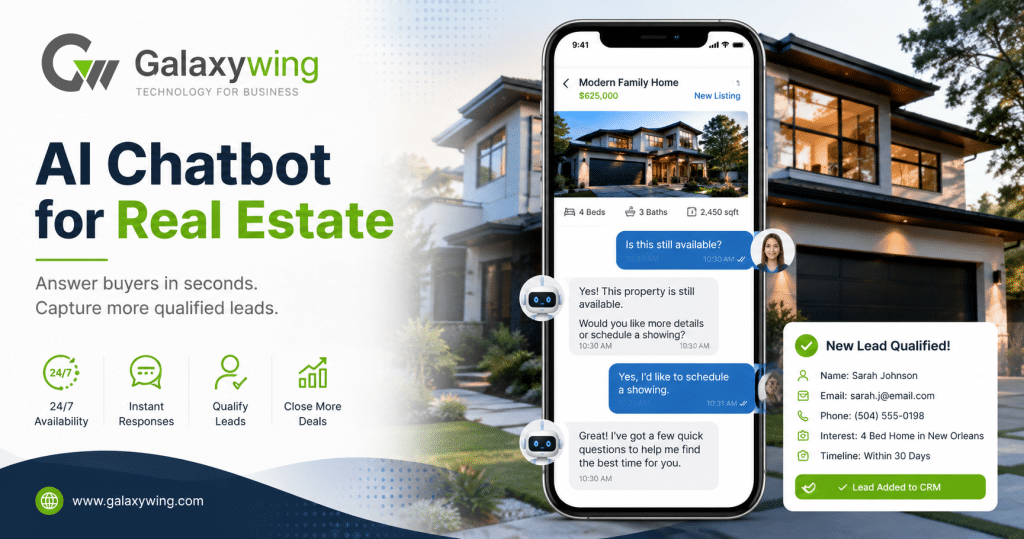
AI Chatbot for Real Estate: Qualify Leads 24/7 (2026 Guide)
Quick Answer An AI chatbot for real estate is a messaging assistant that engages website and social visitors instantly, qualifies them (budget, timeline, financing, area), answers property questions…
Read more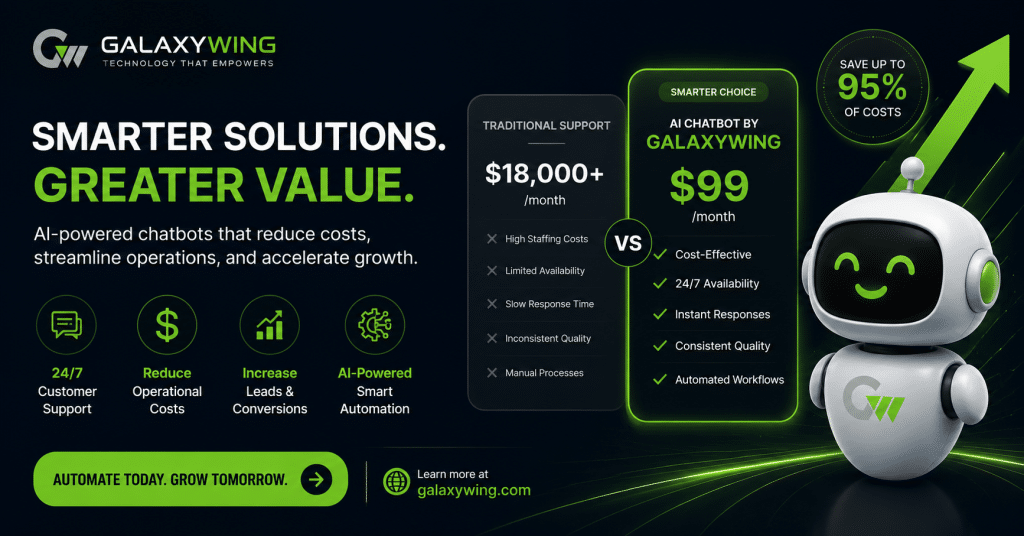
How Much Does an AI Chatbot Cost? (Real 2026 Pricing Breakdown)
Quick Answer (for the people who Cmd+F) An AI chatbot costs between $0/month and $80,000+ depending on what "AI chatbot" actually means. The honest 2026 ranges: Type Setup…
Read more
OpenClaw Explained: The Open-Source Engine Keeping Captain Claw Alive
If you grew up in the late 1990s with a beige PC under the desk, there's a fair chance you remember Captain Claw — a 2D side-scrolling platformer…
Read more

Build a mobile app that feels native
Free 30-minute call. Show us your concept; we'll share the platform-by-platform plan.
Start an app design
Hear it from our happy clients
Tell us about your app concept
Two-minute form. We reply within 4 working hours.